
Monsoon Sale! Let Confidence Rain with 6% Off. Code: MONSOON6

The Real Reason You Freeze When It Matters Most
Why do you freeze in interviews? It’s not lack of preparation, it’s your brain’s survival response. Discover the neuroscience behind interview anxiety and a 4-step method to rewire your freeze reflex. Learn science-backed techniques (like the 4-7-8 breathing method and stress exposure training) to stay calm and confident under pressure.
Ujwal Surampalli - 20 Feb 2026
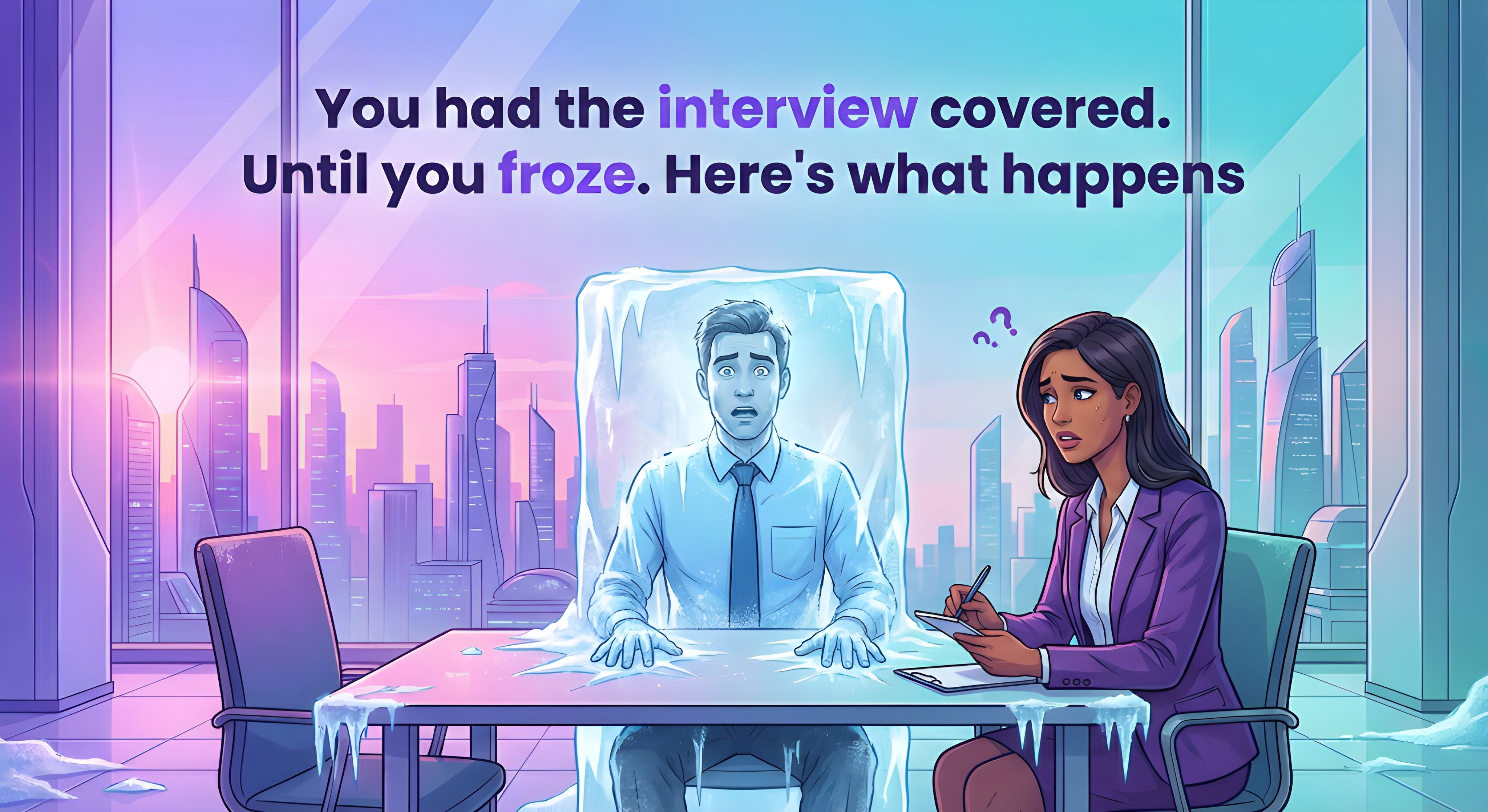
We have all had that moment. The question lands, Your mouth opens, And… nothing.
Whether it’s a job interview, a university panel, a scholarship jury or even a conversation where stakes feel high, your brain blanks, and your body tenses up.
In these moments, the advice we are given the most
“Just be confident.” “Practice more.” “Calm down, it’s just a conversation.”
But often miss reflecting on the nervous system controlling the reins.
Freezing Isn’t a Flaw. It’s a Feature.
That blank-out moment? It’s not because you’re underprepared or not good enough. It’s because your_ brain thinks it’s in danger._
In high-pressure moments, the part of your brain responsible for staying alert to threats, “the amygdala” takes over.
It can’t tell the difference between a life-threatening situation and someone asking you, “Tell me about yourself.”
This triggers what’s called an amygdala hijack; your body goes into survival mode, and your thinking brain (the part that stores your well-rehearsed answers) goes offline for a bit.
In short, your body is trying to protect you, just in the worst possible way.
Why Most Advice Fails You
The usual advice assumes your brain is calm.
- Saying “just relax” when your heart is racing doesn’t work.
- Memorising scripts is great until the interviewer interrupts you halfway through.
- Practising in your bedroom doesn’t help if your nervous system has never experienced pressure during practice.
To get better, you don’t need another mock Q&A worksheet.
You need to train your brain under conditions that feel real.
So, How Do You Rewire a Freeze Response?
Here’s a simple 4-step approach that works with your biology, not against it:
1. Label It, Don’t Fight It
When the freeze hits, don’t push it away. Say something like: “This is adrenaline. Not failure.” Just naming the emotion helps re-activate your rational brain.
2. Regulate Before You Speak
Use a breathing technique (the 4-7-8 method is gold):
- Inhale for 4 seconds
- Hold for 7
- Exhale for 8
Do this before interviews or, if needed, between questions.
3. Practice With Pressure, Not Perfection
Set up mock situations with timers, interruptions, or awkward silences to simulate real-life scenarios.
- Recording a 60-second answer while your phone buzzes
- Asking a friend to interrupt you mid-sentence
- Switching between formats (video, voice, phone, in-person)
This trains your brain to stay steady, even when things don’t go smoothly.
We run expert-led 1:1 mock interviews at InterviewBuddy with real-time pressure and feedback, so your nervous system learns to stay grounded when it matters most.
4. Drop the Script; Build Story Anchors
Stop memorising word-for-word answers.
Instead, internalise story points: real things you’ve done, challenges you’ve faced, moments that mattered.
So even if a question catches you off guard, you have real material to work with, not lines to recall.
Try This:
- Pick one moment when you froze.
- Write out the answer you wanted to give.
- Record yourself answering it casually.
- Watch the video and just notice: what did your voice, breath, or body do?
- Do two rounds of 4-7-8 breathing.
- Try again, but shorten the time or answer it on audio instead.
Repeat this cycle until you feel more regulated than rattled.
This is called stress exposure plus recovery and it’s how people train for public speaking, performance and even combat.
Freezing Isn’t Failure. It’s Rewiring Waiting to Happen.
Freezing in interviews isn’t a sign that you’re unprepared, it’s a very normal stress response.
The key is to work with your brain and body, not against them. With the right kind of practice that includes pressure, recovery, and real stories, you can build more comfort and confidence over time.
Sources:
Recent blog posts
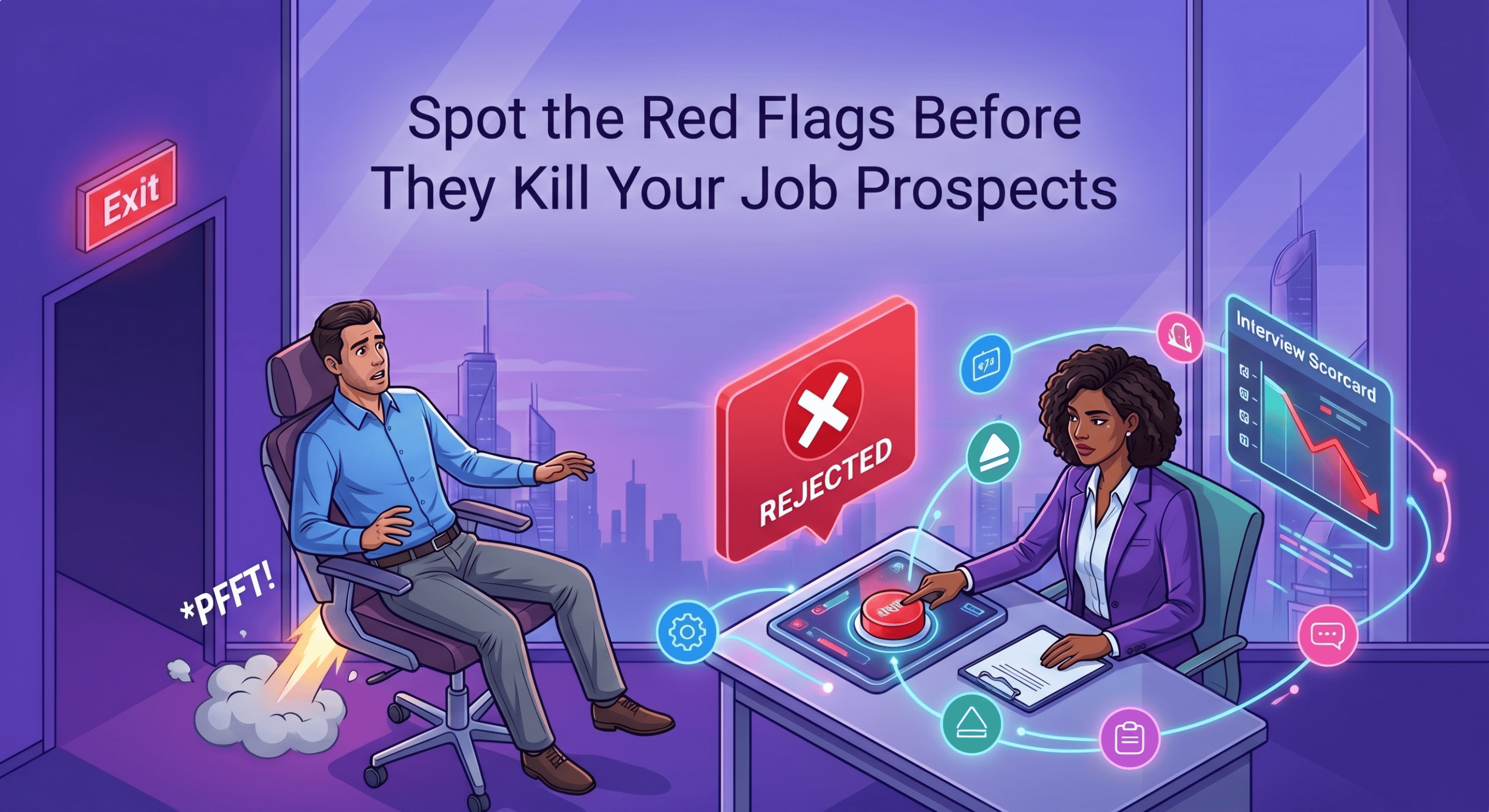
Tue, 09 Jun 2026
7 Answers That Instantly Kill Your Chances
💡 The biggest interview killer isn’t lack of talent - it’s lack of awareness in your answers. They fail because of one careless sentence - a response that instantly signals immaturity, defensiveness or lack of self‑awareness. The worst part? These mistakes are predictable and avoidable. In this article, I break down 7 common interview answers that quietly sabotage your chances, explain why they send the wrong signal and show you how to reframe them into credibility‑building responses. 👉 If you’ve ever wondered why interviews slip away despite solid preparation, this is the guide you need before your next one.
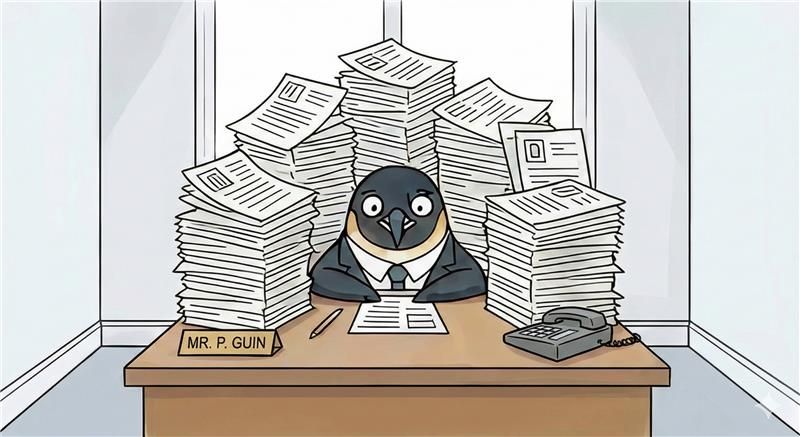
Thu, 05 Mar 2026
I’ve Seen 1,000+ Interviews. These Answers Kill Your Chances (and What To Say Instead)
Let me be honest with you interviews don’t fall apart because candidates say something stupid. They fall apart because candidates say something normal.
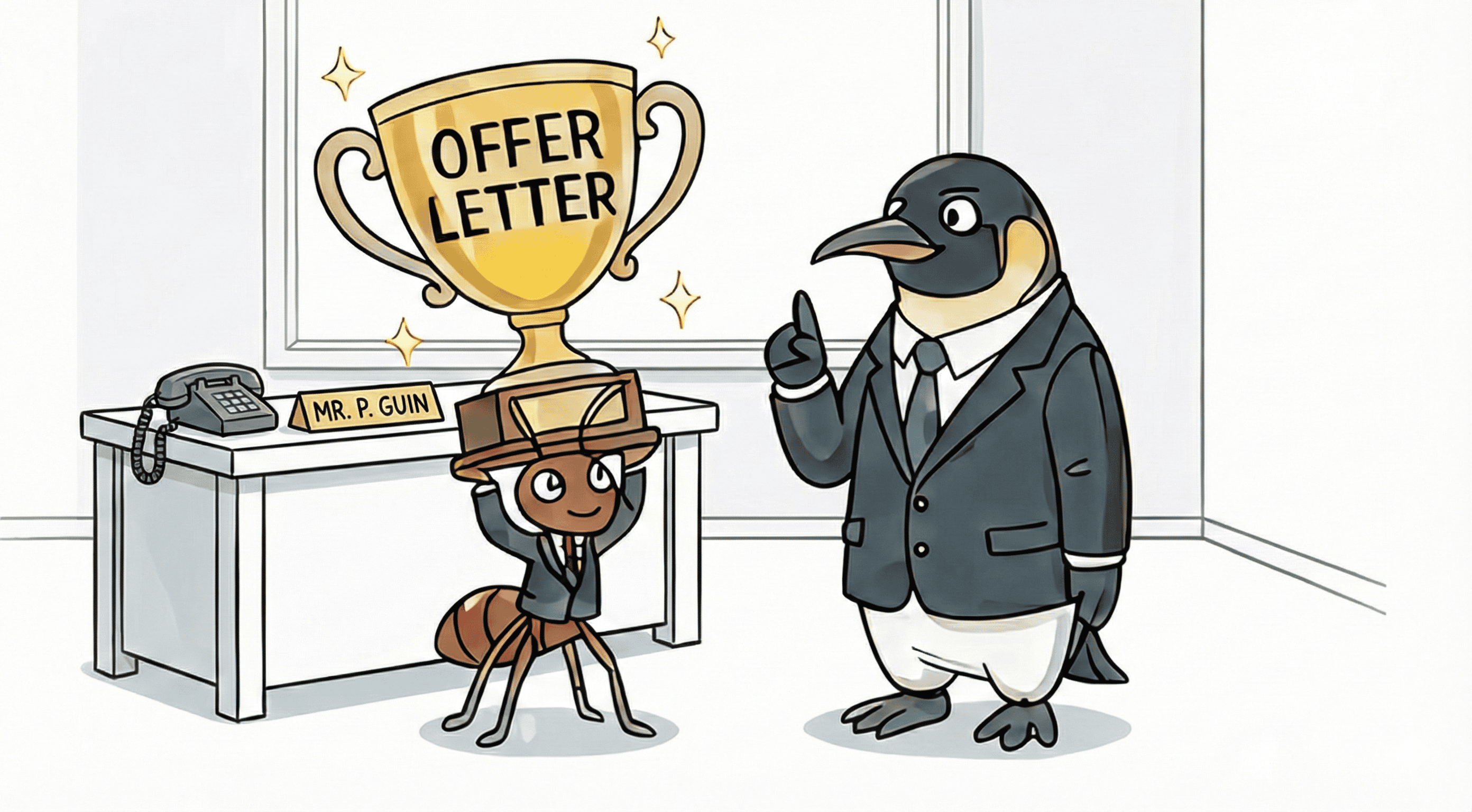
Thu, 05 Mar 2026
Tiny Habits Win Interviews More Than Your Resume
Resumes get you shortlisted. Tiny habits decide whether you get selected.





of U&U Connoisseurs (I) Private Limited
Quick Links
Free illustrations from Streamline
 +91 8500 99 0101