
Monsoon Sale! Let Confidence Rain with 6% Off. Code: MONSOON6

Tiny Habits Win Interviews More Than Your Resume
Resumes get you shortlisted. Tiny habits decide whether you get selected.
Ujwal Surampalli - 05 Mar 2026
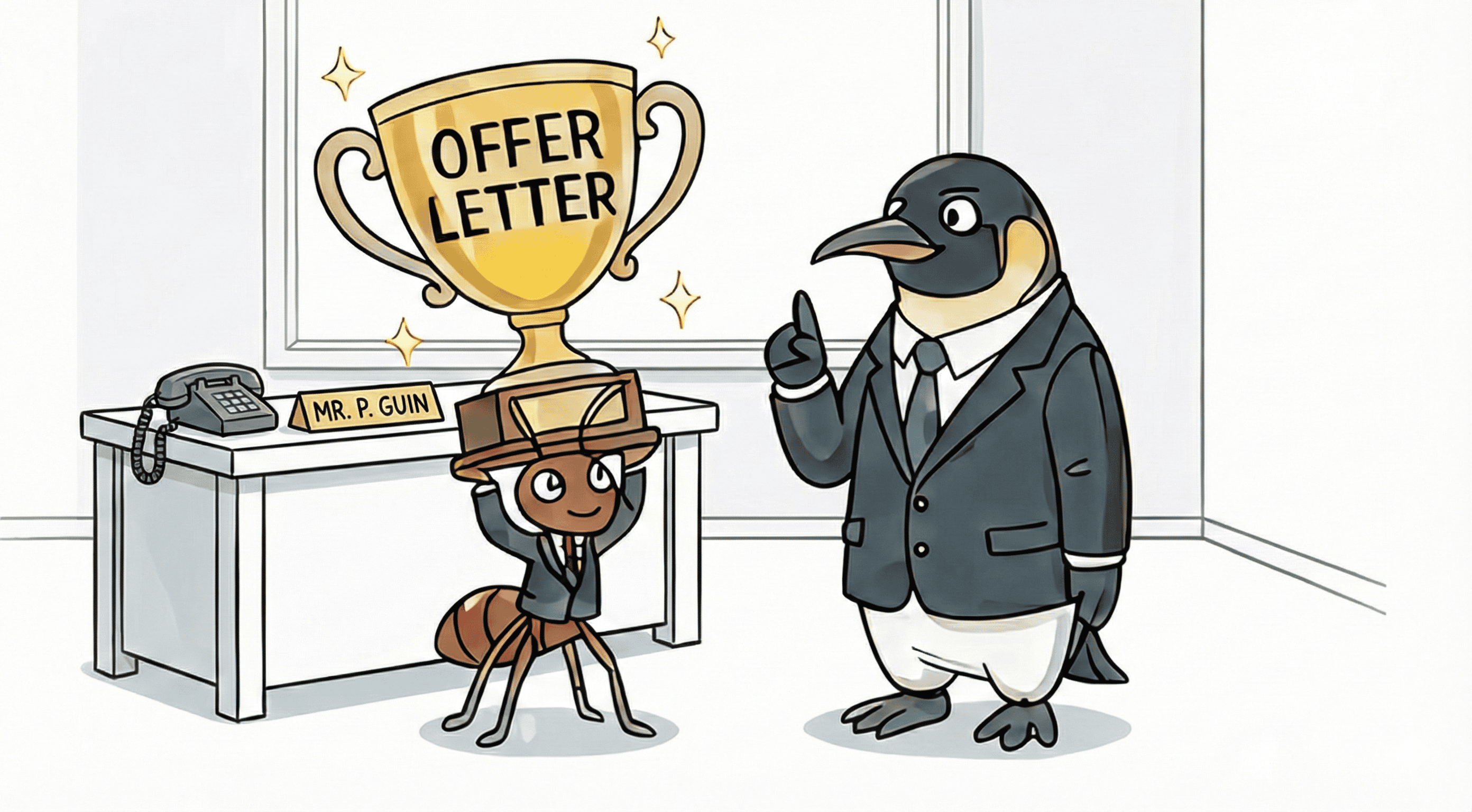
I’ve seen this play out more times than I can count. Candidates walk in with strong resumes good colleges, solid experience, impressive skills. On paper, they look perfect. But once the interview starts, the outcome quietly shifts based on things no resume ever shows. Small behaviours. Tiny habits. Moments most candidates don’t even notice. And those moments matter far more than people realise.
Why Resumes Stop Mattering So Quickly
A resume is a filter. An interview is a test of reality. Once you’re in the interview, everyone in the room already assumes you’re “qualified enough.” From that point on, interviewers are watching how you operate, not just what you know. I’ve seen resumes lose their power within the first few minutes not because the candidate lied, but because their habits didn’t match what the resume promised.
The Tiny Habits Interviewers Notice Instantly
These aren’t dramatic actions. They’re subtle but consistent.
1. How you listen
Do you wait for the question to finish? Or do you jump in halfway? Candidates who truly listen come across as thoughtful. Those who interrupt, even slightly, come across as anxious or impatient without meaning to.
2. How you pause
Strong candidates pause before answering. Weak interviews rush. That pause shows control. It tells the interviewer you’re thinking, not scrambling. I’ve seen interviews turn in a candidate’s favour simply because they were comfortable taking a second to gather their thoughts.
3. How you handle uncertainty
Everyone hits a question they don’t fully know. Some candidates panic and talk in circles. Others calmly say, “Let me think this through.” That single sentence builds more trust than a half-baked answer ever could.
A Pattern I’ve Seen Too Often
After watching hundreds of interviews, one thing is very clear. Candidates with great resumes often lose because they rely on them too much. They assume their background will carry them. So they neglect the basics tone, presence, clarity. Meanwhile, candidates with simpler resumes sometimes outperform them because their habits signal reliability and maturity. Interviewers don’t hire resumes. They hire people they feel comfortable working with. Tiny Habits That Quietly Work Against You Most candidates don’t realise they’re doing these:
- Speaking too fast when nervous
- Over-explaining simple points
- Avoiding eye contact while thinking
- Filling silence unnecessarily
- Sounding defensive when challenged None of these are deal-breakers alone. But together, they change how your answers are received. I’ve seen good answers land poorly simply because the delivery felt unsettled.
What Actually Works (From Real Interviews)
From what I’ve observed, candidates who do well build a few simple habits:
- They speak a little slower than they think they need to
- They structure answers before diving in
- They acknowledge the question instead of rushing into the response
- They stay present instead of mentally jumping to the next question These habits don’t require extra preparation. They require awareness. And awareness shows up immediately.
Why Interviewers Care About This
Interviews aren’t just about today’s conversation. They’re about predicting tomorrow’s behaviour. Interviewers are silently asking:
- Will this person listen in meetings?
- Will they think before reacting?
- Will they handle pressure calmly? Tiny habits answer those questions faster than any resume bullet point ever will.
The Shift Candidates Need to Make
If there’s one mindset change I wish candidates would adopt, it’s this:
Stop treating interviews like a performance.
Start treating them like a working conversation.
Your resume may open the door.
But your habits decide whether people want to work with you once you’re inside.
And in the end, it’s those tiny, almost invisible habits not the bold claims on your resume that win interviews.
Recent blog posts
Tue, 09 Jun 2026
7 Answers That Instantly Kill Your Chances
💡 The biggest interview killer isn’t lack of talent - it’s lack of awareness in your answers. They fail because of one careless sentence - a response that instantly signals immaturity, defensiveness or lack of self‑awareness. The worst part? These mistakes are predictable and avoidable. In this article, I break down 7 common interview answers that quietly sabotage your chances, explain why they send the wrong signal and show you how to reframe them into credibility‑building responses. 👉 If you’ve ever wondered why interviews slip away despite solid preparation, this is the guide you need before your next one.
Thu, 05 Mar 2026
I’ve Seen 1,000+ Interviews. These Answers Kill Your Chances (and What To Say Instead)
Let me be honest with you interviews don’t fall apart because candidates say something stupid. They fall apart because candidates say something normal.
Thu, 05 Mar 2026
Why “Good Fit” Doesn’t Help in Interviews
This note explains the thinking behind the article “Stop Calling Yourself a ‘Good Fit’” and shows how its claims line up with how interviews actually work in real hiring environments. The article isn’t trying to make an academic argument. It’s capturing a pattern that shows up again and again in interviews and that pattern is well supported by hiring research and employer surveys.





of U&U Connoisseurs (I) Private Limited
Quick Links
Free illustrations from Streamline
 +91 8500 99 0101