
Monsoon Sale! Let Confidence Rain with 6% Off. Code: MONSOON6

I’ve Seen 1,000+ Interviews. These Answers Kill Your Chances (and What To Say Instead)
Let me be honest with you interviews don’t fall apart because candidates say something stupid. They fall apart because candidates say something normal.
Ujwal Surampalli - 05 Mar 2026
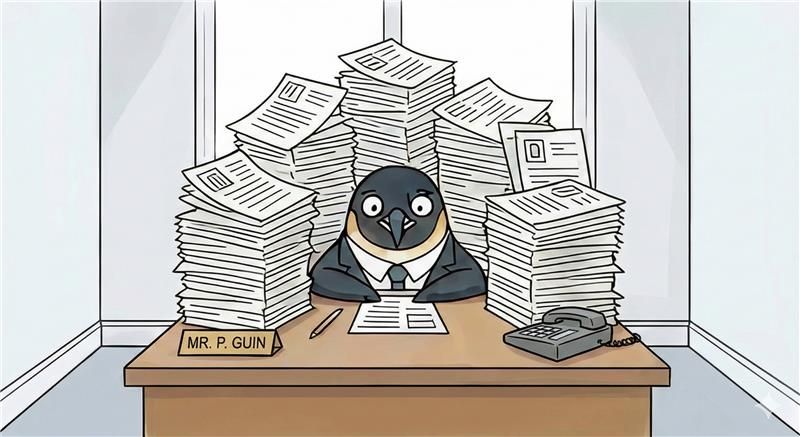
After sitting through more than a thousand interviews, I’ve watched strong candidates slowly lose ground with answers they thought were safe. Nothing dramatic. No red flags. Just small phrases that quietly change how an interviewer feels about them. And once that feeling shifts, it’s hard to recover. Interviewers don’t always remember exact answers. They remember how answers made them feel.
Why Answers Matter More Than You Think
Every answer does two things at once. It answers the question. And it reveals how you think. Candidates usually focus on the first part. Interviewers pay more attention to the second. That’s why some answers sound “right” but still hurt your chances. I’ve seen this happen across roles, companies, and experience levels. The pattern stays the same.
The Answers That Quietly Kill Momentum
These aren’t wrong answers. They’re lazy answers and interviewers sense that immediately.
- “I’m a perfectionist.” This sounds like a shortcut, not self-awareness. Interviewers hear avoidance.
- “I can work under any pressure.” Without context, this means nothing. Everyone says it.
- “I don’t really have weaknesses.” This breaks trust instantly. It signals lack of reflection.
- “I just follow instructions.” Safe, yes. But it also signals no judgment of your own.
- “The company culture wasn’t good.” Without balance, this feels like blame even if it’s true.
- “I’m open to any role.” Flexibility is good. Directionless isn’t.
- “I learn very fast.” Common claim. Rarely proven.
- “I haven’t faced major challenges yet.” This usually means you haven’t thought deeply about your work.
- “I prefer working alone.” Honest, but risky unless explained properly.
- “I’m very hardworking.” Effort without outcome doesn’t impress interviewers.
- “I’ll do whatever the company needs.” Sounds loyal, but also unclear and passive.
- “That’s how my previous company did it.” This suggests rigidity, not experience. I’ve seen interviews shift after just one of these.
Why These Answers Don’t Work
The problem isn’t the words themselves. It’s what they signal. Interviewers listen for ownership, clarity, and judgment. Generic answers feel like placeholders. They suggest the candidate hasn’t reflected much or is trying to play safe. And “safe” rarely stands out.
What Works Better (From Real Interviews)
From watching candidates who do well, the fix is surprisingly simple. Instead of labels, use situations. Instead of claims, explain process. Instead of defending yourself, show awareness. For example:
- Don’t say you handle pressure explain how you prioritise when things go wrong.
- Don’t deny weaknesses talk about one you’ve worked through.
- Don’t say you learn fast describe what helped you learn last. These answers feel real. Interviewers lean in when they hear them.
A Pattern I Keep Seeing
After hundreds of interviews, one thing is clear. Candidates who slow down give better answers. They pause. They think. They structure before speaking. That pause reads as confidence. Rushing reads as insecurity even when the answer is correct.
What Interviewers Are Really Listening For
Most interviewers aren’t asking, “Is this answer perfect?” They’re asking:
- Does this person reflect on their work?
- Can they explain decisions clearly?
- Can they handle ambiguity without panicking?
Your answers reveal that faster than your resume ever can.
The Real Shift Candidates Need to Make
If there’s one thing I wish candidates understood, it’s this: Stop preparing answers to impress. Start preparing answers to explain yourself clearly. Because interviews aren’t about sounding flawless. They’re about sounding thoughtful, aware, and real. Once candidates make that shift, their answers stop hurting their chances and start helping them
Recent blog posts
Tue, 09 Jun 2026
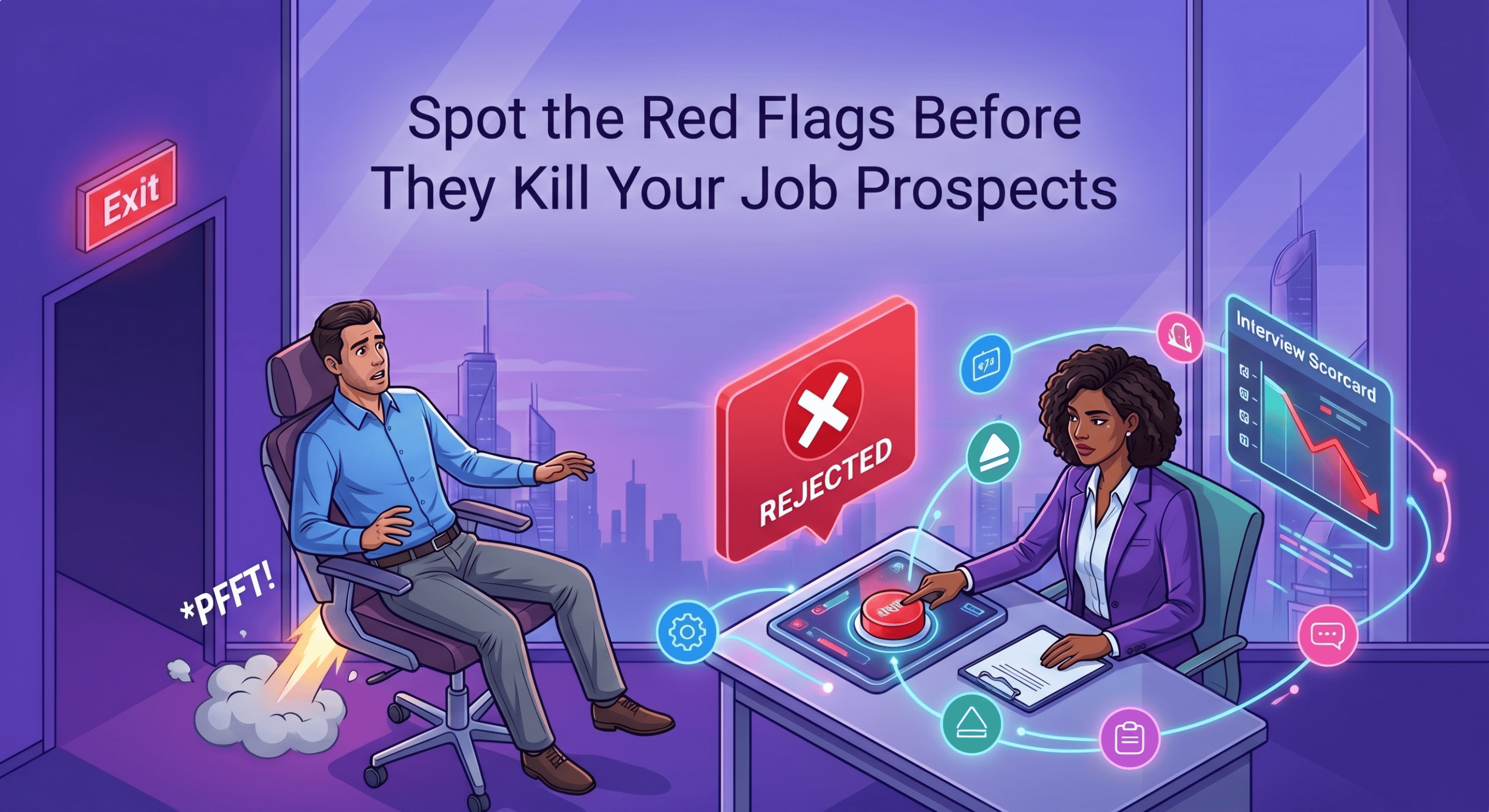
7 Answers That Instantly Kill Your Chances
💡 The biggest interview killer isn’t lack of talent - it’s lack of awareness in your answers. They fail because of one careless sentence - a response that instantly signals immaturity, defensiveness or lack of self‑awareness. The worst part? These mistakes are predictable and avoidable. In this article, I break down 7 common interview answers that quietly sabotage your chances, explain why they send the wrong signal and show you how to reframe them into credibility‑building responses. 👉 If you’ve ever wondered why interviews slip away despite solid preparation, this is the guide you need before your next one.
Thu, 05 Mar 2026
Tiny Habits Win Interviews More Than Your Resume
Resumes get you shortlisted. Tiny habits decide whether you get selected.
Thu, 05 Mar 2026
Why “Good Fit” Doesn’t Help in Interviews
This note explains the thinking behind the article “Stop Calling Yourself a ‘Good Fit’” and shows how its claims line up with how interviews actually work in real hiring environments. The article isn’t trying to make an academic argument. It’s capturing a pattern that shows up again and again in interviews and that pattern is well supported by hiring research and employer surveys.





of U&U Connoisseurs (I) Private Limited
Quick Links
Free illustrations from Streamline
 +91 8500 99 0101