Monsoon Sale! Let Confidence Rain with 6% Off. Code: MONSOON6

Why “Good Fit” Doesn’t Help in Interviews
This note explains the thinking behind the article “Stop Calling Yourself a ‘Good Fit’” and shows how its claims line up with how interviews actually work in real hiring environments. The article isn’t trying to make an academic argument. It’s capturing a pattern that shows up again and again in interviews and that pattern is well supported by hiring research and employer surveys.
Ujwal Surampalli - 05 Mar 2026
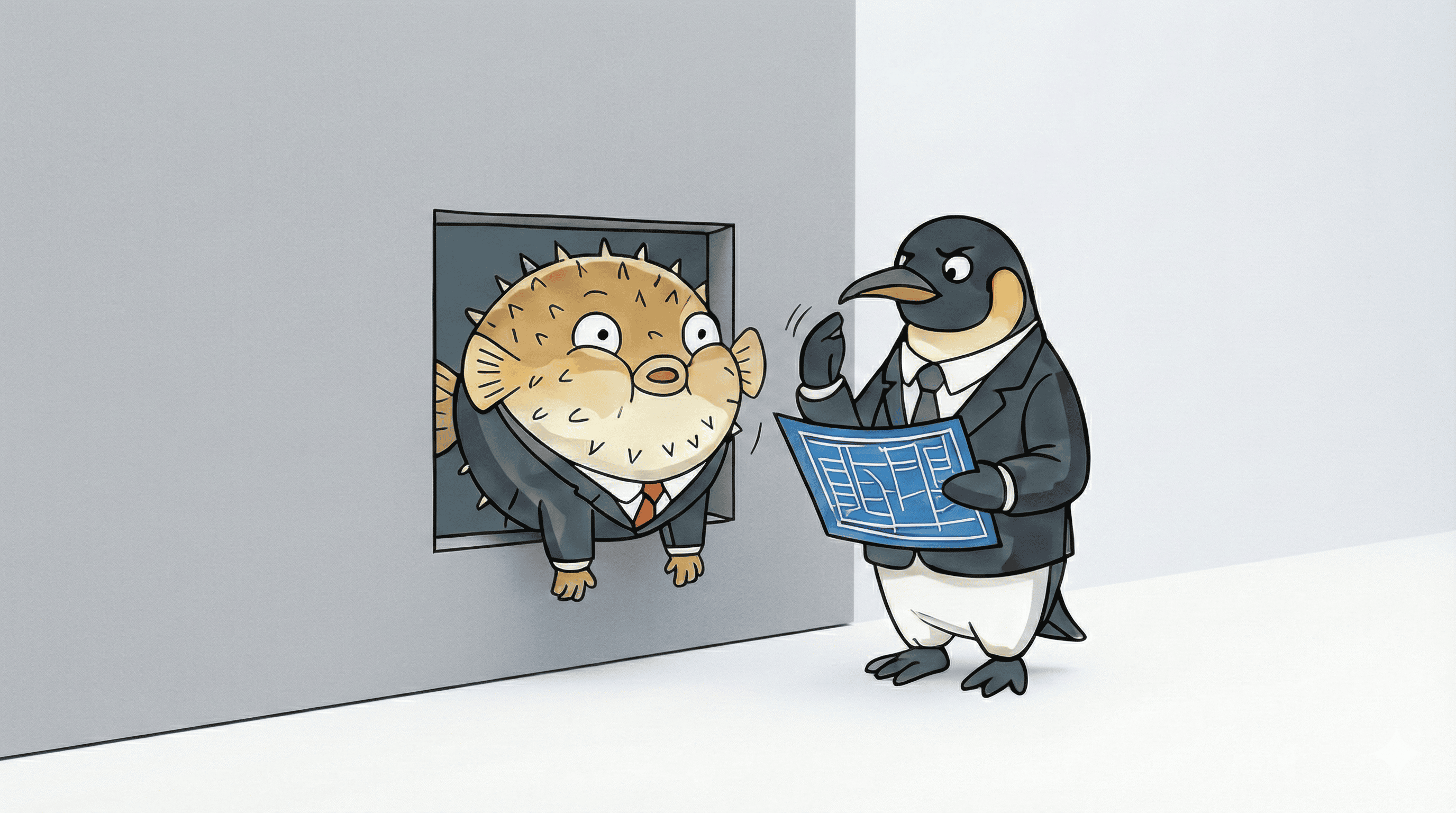
There isn’t a single study that says interviewers dislike the phrase “I’m a good fit.” But there is strong evidence that interviewers don’t rely on self-descriptions when deciding who to hire. Instead, they look for:
- Real examples
- Clear thinking
- How candidates handle problems and uncertainty
- How they explain decisions and mistakes That’s why saying “I’m a good fit” rarely helps. It doesn’t give interviewers anything concrete to work with.
How Interviewers Actually Decide
Most modern interviews are built around one idea: don’t trust claims look for proof. Interviewers aren’t asking candidates to evaluate themselves. That’s the interviewer’s job. Their responsibility is to decide whether someone fits the role, the problems, and the team. When a candidate says “I’m a good fit,” it sounds confident, but it skips the part interviewers care about most: why.
What Research and Practice Show
- Examples Beat Confidence Hiring research consistently shows that structured and behavioural interviews are better at predicting job performance than free-flowing conversations. The reason is simple:
- Past actions are more reliable than self-belief
- Specific situations reveal how someone thinks
- Confidence without detail is hard to evaluate This directly supports the article’s point that fit should be demonstrated, not declared.
- Hiring Frameworks Are Designed to Ignore Self-Evaluation At companies with mature hiring processes (like Google, Amazon, and Meta), interviewers are trained to:
- Focus on behaviour, not personality claims
- Look for decision-making patterns
- Pay attention to how candidates explain trade-offs and mistakes In these settings, statements like “I’m a good fit” are mostly ignored not because they’re bad, but because they’re not useful.
- Interviewers Want Clarity, Not Buzzwords Employer surveys show that:
- Interviewers value clear explanations over polished language
- Specific examples build trust faster than generic confidence
- Buzzwords and vague statements feel rehearsed and forgettable This is why interviews often feel better when candidates talk about real friction things that didn’t go smoothly and what they learned from them.
- Fit Is Something Interviewers Want to Decide Themselves Fit isn’t just about skills. It’s about:
- How someone thinks under pressure
- How they respond to feedback
- How they adapt when things change Interviewers expect to figure this out on their own. When candidates declare fit, it can feel like stepping into the interviewer’s role without enough context.
Why the Article Works Without Heavy Citations The article isn’t trying to prove a new theory. It’s naming something interviewers already recognise. Its credibility comes from:
- Consistency with hiring research
- Alignment with real interview practices
- Scenarios that feel familiar to both interviewers and candidates That’s why it resonates it describes what people have experienced, even if they haven’t formally labelled it before.
Closing Thought The core idea of the article is simple: Fit isn’t something candidates need to say. It’s something interviewers need to see. That idea is well supported by how interviews are designed, how hiring decisions are made, and what research says about predicting performance.
Recent blog posts
Tue, 09 Jun 2026
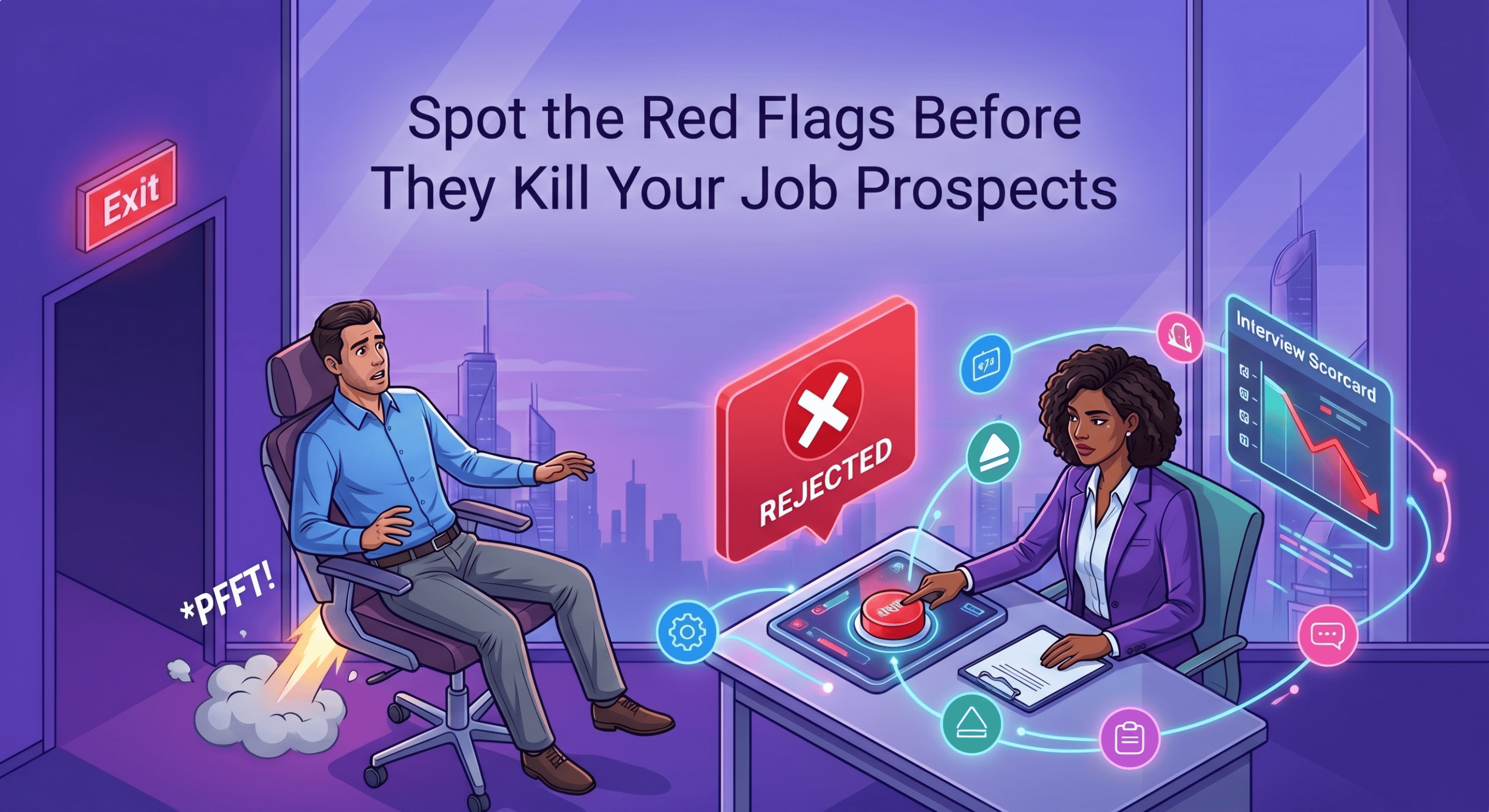
7 Answers That Instantly Kill Your Chances
💡 The biggest interview killer isn’t lack of talent - it’s lack of awareness in your answers. They fail because of one careless sentence - a response that instantly signals immaturity, defensiveness or lack of self‑awareness. The worst part? These mistakes are predictable and avoidable. In this article, I break down 7 common interview answers that quietly sabotage your chances, explain why they send the wrong signal and show you how to reframe them into credibility‑building responses. 👉 If you’ve ever wondered why interviews slip away despite solid preparation, this is the guide you need before your next one.
Thu, 05 Mar 2026
I’ve Seen 1,000+ Interviews. These Answers Kill Your Chances (and What To Say Instead)
Let me be honest with you interviews don’t fall apart because candidates say something stupid. They fall apart because candidates say something normal.
Thu, 05 Mar 2026
Tiny Habits Win Interviews More Than Your Resume
Resumes get you shortlisted. Tiny habits decide whether you get selected.





of U&U Connoisseurs (I) Private Limited
Quick Links
Free illustrations from Streamline
 +91 8500 99 0101