What Are Hiring Managers Really Looking For in 2025!
The days when a flawless ability to write code could guarantee a job are behind us. The hiring process today is a nuanced mix of evaluating technical proficiency and interpersonal skills. Recruiters and hiring managers now look for candidates who can contribute to both technical projects and collaborative team environments.
InterviewBuddy - 15 Dec 2024

Here’s a closer look at what’s driving hiring decisions in 2025:
Technical Skills: The Foundation
Your technical skills will always be the baseline requirement, but it’s about more than just checking boxes.
- Impactful Project Portfolios: Hiring managers favour candidates with portfolios that showcase real-world, practical experience. Projects that demonstrate your ability to apply your skills creatively to solve real problems stand out.
- Industry-Recognized Certifications: Certifications in sought-after fields like cloud computing, artificial intelligence, and DevOps are increasingly important. They show not only technical know-how but also a commitment to staying ahead of trends.
Soft Skills: The X-Factor
Interestingly, the defining factor for many recruiters today is soft skills. While technical knowledge gets you in the door, soft skills are often what set candidates apart. According to recent surveys:
- 73% of recruiters rank communication and interpersonal skills as a top priority for engineers.
- 69% of tech leaders value innovative problem-solving approaches over just technical correctness.

The key soft skills that matter most:
- Problem-Solving Mindset
- Employers want to see how you think, not just whether you can find the right answer.
- Do you ask insightful, clarifying questions?
- Can you break a complex problem into manageable steps?
- Are you creative, or do you stick to rigid solutions?
- Clear Communication
- Can you explain technical ideas to non-technical teammates?
- Are you able to simplify complex concepts during cross-functional collaborations?
- Do you listen, share ideas effectively, and contribute meaningfully to team discussions?
- Teamwork and Feedback
- Most engineering work happens in teams, not silos. Companies seek candidates who thrive in collaborative environments and can handle constructive feedback gracefully.
- Commitment to Lifelong Learning
- The tech landscape is always evolving, and the most successful engineers are those who stay curious and adaptable.
- Hiring managers want to know: Do you actively seek opportunities to grow?
How to Bridge the Gap as a Fresh Graduate?
If you’re just starting your career, the competition might feel overwhelming. But there are steps you can take to make yourself stand out:
- Work on Relevant Projects
- Build a portfolio that solves real-world problems. For example:
- A machine learning model to predict stock prices.
- A mobile app that promotes financial literacy.
- Highlight both the technical details (frameworks, languages) and the project’s impact (e.g., user adoption, increased efficiency).
- Earn In-Demand Certifications
- Credentials in areas like AWS, Azure, DevOps, or data analytics will enhance your resume and show your dedication to staying updated.
- Ace Interviews
- Prepare for both technical and behavioral questions.
- Practice explaining complex technical issues in simple, relatable terms. Mock interviews can help you refine your approach and build confidence.
- Develop Soft Skills
- Join hackathons or group projects to sharpen teamwork and communication abilities.
- Actively work on problem-solving strategies and active listening.
- Commit to Lifelong Learning
- Stay curious by taking online courses or participating in open-source projects.
- Engage with coding communities to exchange ideas and stay connected with trends.

Your Secret Weapon: Curiosity
If there’s one trait that will serve you well in your career, it’s curiosity. A curious mind drives innovation, keeps you learning, and fosters personal growth. For example, mock interviews aren’t just practice—they’re opportunities to learn how to approach problems, communicate effectively, and handle pressure. Every experience, whether it’s building a project or receiving feedback, is a chance to grow.
The Future of Engineering Careers
Looking ahead to 2025, the hiring landscape in tech will continue to evolve. Companies will place increasing value on engineers who:
- Collaborate effectively across teams.
- Embrace new challenges and technologies.
- Combine technical expertise with a strong set of interpersonal skills. An interview will no longer be just about solving coding problems; it will be your opportunity to showcase your ability to innovate, adapt, and communicate.
Final Thoughts
The path to your dream engineering job may seem daunting, but with the right mindset and preparation, you can set yourself apart. Focus on building meaningful projects, sharpening both technical and soft skills, and staying curious. Every step you take—whether it’s attending a hackathon, practicing for interviews, or earning a new certification—brings you closer to your goal. The key is to keep learning, keep adapting, and always show the world what you’re capable of.
Your journey as an engineer is yours to define...
Recent blog posts
Tue, 10 Feb 2026
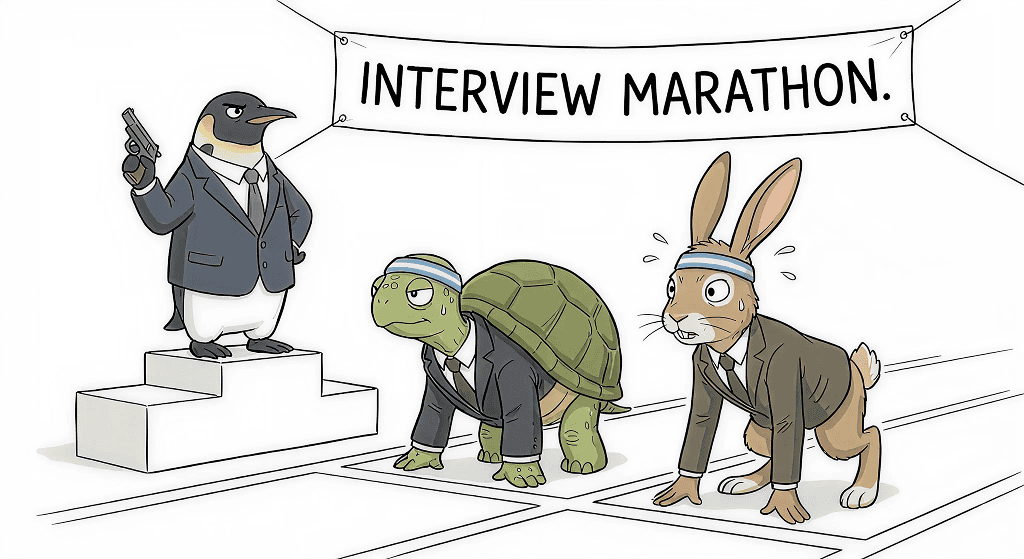
Why Your Job Interview Feels Like a Marathon (and How to Actually Win the Race)
The interview process can feel like running a marathon - long, draining and unpredictable. Learn why the process feels this way and how to pace yourself for success. Ever noticed how job interviews aren't just about the 30-60 minutes you spend answering questions? They stretch out over weeks, sometimes months, testing your patience, endurance and mental strength. Much like a marathon, the interview process isn't a quick sprint; it's a long-distance challenge that requires preparation, pacing and resilience.
Sat, 13 Sep 2025
The Best Interview Questions You Should Ask Employers
You’ve prepared for the interview, practiced your answers, and now it’s time to turn the tables. But what should you ask? Asking questions in an interview isn’t just about gathering information, it’s a chance to show that you’re thoughtful, curious, and genuinely interested in the role and the company. Plus, it helps you figure out if this is the right fit for you. Let’s explore why asking questions matters, which ones to ask, and how to make it feel natural during the interview
Mon, 18 Aug 2025
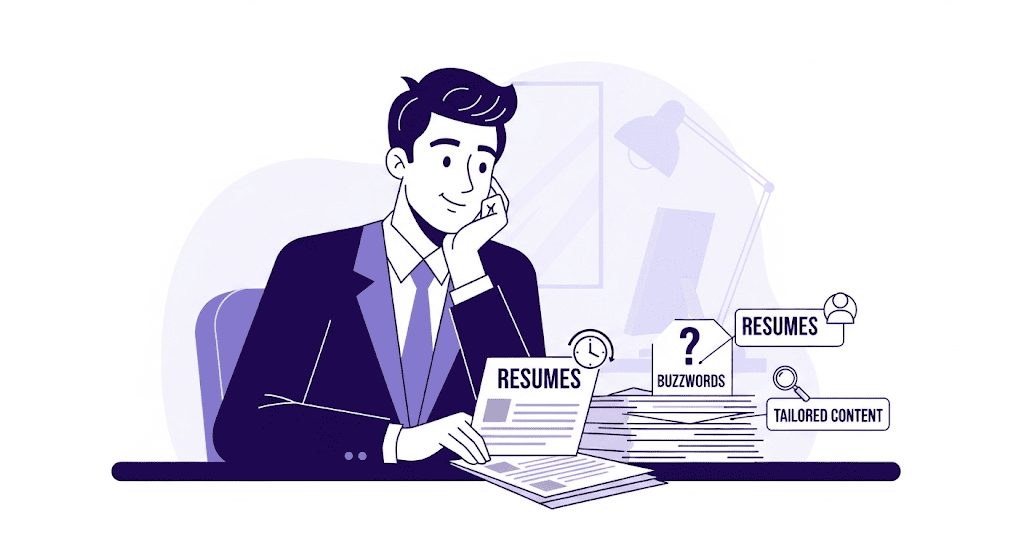
7 Resume Mistakes That Are Silently Killing Your Chances
75% of resumes fail ATS scans. Learn the 7 resume mistakes silently ruining your chances and how to fix them for recruiter approval and job success.





of U&U Connoisseurs (I) Private Limited
Quick Links
Free illustrations from Streamline
 +91 8500 99 0101